window.dataLayer = window.dataLayer || []; function gtag(){dataLayer.push(arguments);} gtag('js', new Date()); gtag('config', 'UA-61482957-1'); Tiffen releases ND filter kit for DJI Avata drone | Pro Moviemaker
Read the latest issue here

Tiffen releases ND filter kit for DJI Avata drone

Posted on Oct 18, 2022 by Katie Kasperson

The Tiffen filter kit includes three filters, providing  versatility for photographers and videographers 

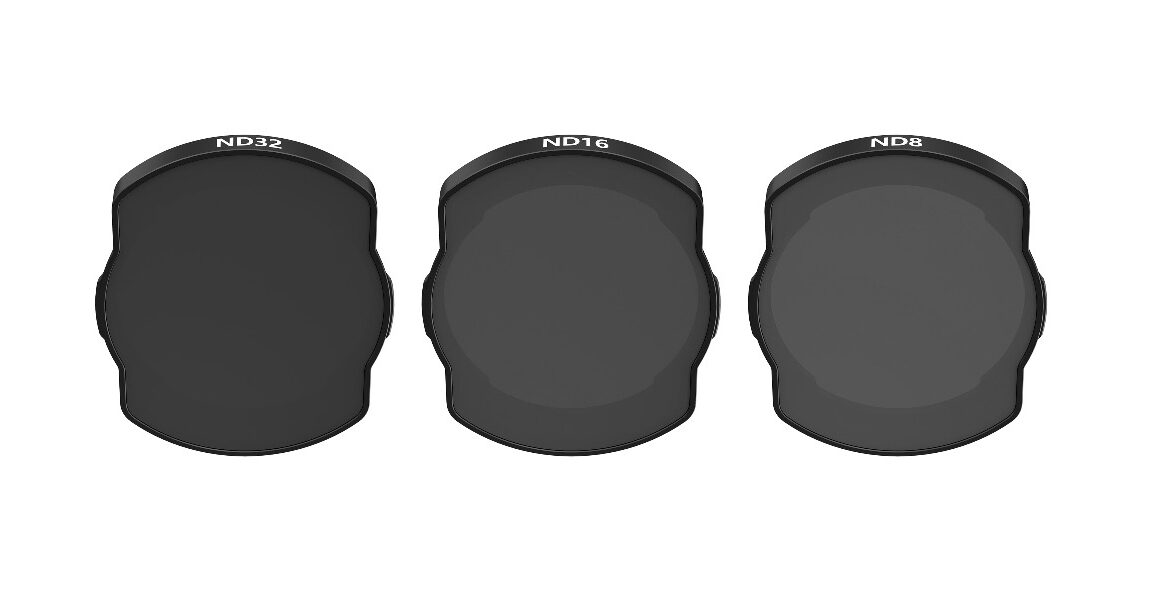
Tiffen has produced the first professional filter kit designed specifically for the DJI Avata drone. Made from aluminium and optical glass with a water- and scratch-proof coating, the Avata filters claim a lightweight yet sturdy build.  

The kit includes three neutral density filters – ND8, ND16, and ND32 – which cut light by three, four, and five stops, respectively. The Tiffen Avata aims to enhance exposure and reduce reflection while maintaining colour and image clarity, resulting in more accurate images for drone photographers and videographers. By easily snapping on and off, the filters also allow for efficient changes. 

The Tiffen Avata kit comes with a protective case and is covered by a 10-year warranty. Available now, the kit costs £62. Visit tiffen.com for more information. 

 

Atomos: Enter the Ninja

August 15th, 2023

A new generation of the popular ProRes monitor-recorder line has landed. Made specifically for...

Magic conversations

October 12th, 2023

Down-the-lens device Magic Video Box creates and captures instant rapport between an interviewer and...

Easy Spyder

July 17th, 2023

Datacolor’s new X2 range offers a simple way to ensure colour accuracy in all...

WATCH: ATOMOS CONNECT HERO

February 8th, 2023

Watch the latest video for ATOMOS Connect Hero

Sign up to the newsletter!

Subscribe to the Pro Moviemaker newsletter to get the latest issue of the magazine, news, special offers, occasional surveys and carefully selected partner offerings delivered direct to your inbox.

You may opt-out at any time. Privacy Policy.

0) { isError = true; if (showAlert) alert(errorString); } return !isError; } //-->